


You have heard it a thousand times: “Breakfast is the most important meal of the day.” Your mother said it. Your teacher said it. The cereal box practically screamed it at you every morning while you poured milk over your cornflakes.
But here is the thing — that famous phrase was never born in a research lab. It was born in a marketing department. And today, with intermittent fasting dominating wellness conversations and millions of adults routinely skipping their morning meal, the question has never been more relevant: is skipping breakfast actually bad for your health?
The answer, as with most things in nutrition, is not black and white. Some studies suggest that foregoing breakfast can help with weight loss and improve metabolic markers. Others warn that it raises your risk of heart disease, spikes stress hormones, and leaves your brain running on fumes.
In this comprehensive guide, we will cut through the noise. We have reviewed over 20 peer-reviewed studies, consulted expert opinions from registered dietitians, and examined the evidence from every angle — weight loss, heart health, brain function, gut health, mental wellbeing, and more — to give you a clear, balanced, and science-backed answer.
Whether you are a devoted breakfast lover, a committed breakfast skipper, or somewhere in between, this article will help you make an informed decision about your morning meal.
The Origins of “Breakfast Is the Most Important Meal of the Day”
Before we dive into the science, it is worth understanding where our cultural obsession with breakfast actually came from — because it is not as evidence-based as you might think.
The phrase “breakfast is the most important meal of the day” was popularized in the early 20th century, largely thanks to James Caleb Jackson and John Harvey Kellogg — the inventors of cereal. Their goal was not public health. It was selling cereal. In 1944, a marketing campaign by General Foods (makers of Grape-Nuts) used the slogan extensively in radio ads and print media, and the idea embedded itself into the public consciousness.
Across the Atlantic, the UK’s Egg Marketing Board launched the iconic “Go to Work on an Egg” campaign in the 1950s, further reinforcing the notion that a proper breakfast was essential for a productive day. Again, this was pure marketing — not nutritional science.
This matters because much of the early research on breakfast was funded by the cereal and breakfast food industry, creating a potential bias in findings. While there is legitimate research supporting the benefits of breakfast, it is important to evaluate the evidence critically and recognize that not all “pro-breakfast” messaging has its roots in objective science.
How Common Is Skipping Breakfast?
If you regularly skip breakfast, you are far from alone. According to a YouGov survey, approximately 13% of adults in the UK never eat breakfast. In the United States, the numbers are even higher — the USDA reports that roughly 20–30% of American adults skip breakfast on any given day.
The trend cuts across demographics but is particularly common among:
- Young adults (18–34): This age group is the most likely to skip breakfast, often citing lack of time, not feeling hungry, or deliberately fasting.
- Men: Studies consistently show men are more likely to skip breakfast than women.
- Shift workers and those with irregular schedules: People whose work hours do not align with traditional mealtimes often miss breakfast by default.
The rise of intermittent fasting has accelerated this trend significantly. Plans like the 16:8 method (eating only during an eight-hour window, typically noon to 8 PM) effectively eliminate breakfast for millions of practitioners. The 5:2 diet, where people eat normally for five days and restrict calories on two, also frequently involves skipping the morning meal.
Cultural factors play a role too. While a full English breakfast or a bowl of cereal is traditional in the UK and US, many cultures around the world eat their first substantial meal much later in the day — and do not seem to suffer for it.
What Happens to Your Body When You Skip Breakfast?
This is where the science gets genuinely interesting. When you skip breakfast, your body does not just passively wait for food. A cascade of hormonal, metabolic, and neurological changes takes place. Let us break them down.
Blood Sugar and Insulin Response
When you sleep, your body enters a natural fasting state. It draws on glycogen — glucose stored in the liver and muscles — to maintain essential functions. By morning, those glycogen stores are significantly depleted, and your blood sugar levels are at their lowest point of the day.
When you eat breakfast, you replenish those stores and provide your body with a fresh source of glucose. When you skip it, your body must find alternative energy sources. Initially, it continues breaking down remaining glycogen. Once that is gone, it begins converting amino acids (from muscle tissue) and fatty acids into usable energy — a process that is less efficient and can leave you feeling sluggish.
Interestingly, research published in the American Journal of Clinical Nutrition found that skipping breakfast can improve insulin sensitivity in some people, meaning their cells respond better to insulin when they do eventually eat. This could be beneficial for weight management and reducing type 2 diabetes risk.
However, a contradictory study in the Journal of Nutritional Science found that habitual breakfast skipping was associated with higher fasting blood sugar levels and increased risk of developing type 2 diabetes over time — suggesting the picture is complex and may depend on individual factors.
Hunger Hormones — Ghrelin and Leptin
Your appetite is regulated by two key hormones: ghrelin (the “hunger hormone”) and leptin (the “satiety hormone”). When you skip breakfast, the balance between these two hormones shifts.
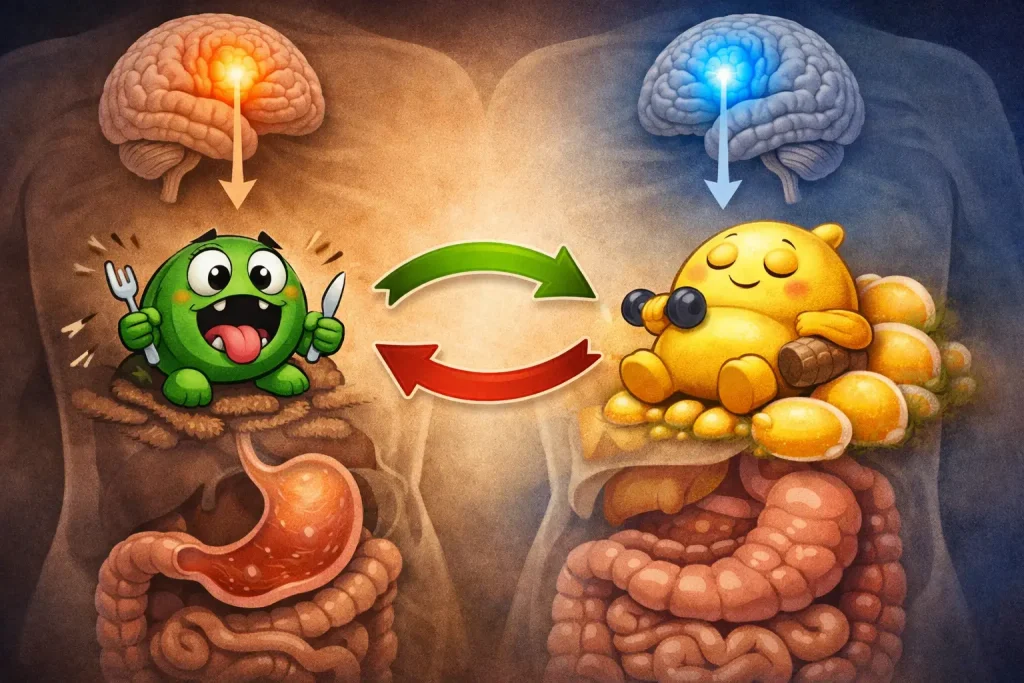
A study published in the International Journal of Obesity found that skipping breakfast led to a significant increase in ghrelin levels throughout the morning and into the afternoon. Participants who missed their morning meal reported feeling hungrier and had stronger cravings — particularly for high-calorie, high-carbohydrate foods.
At the same time, leptin levels decreased, meaning participants felt less satisfied even after they did eat. This hormonal double-whammy can create a cycle of overeating later in the day, potentially undermining any calorie savings from skipping breakfast.
Cortisol and Stress Response
Your body’s cortisol levels naturally peak in the early morning as part of the cortisol awakening response (CAR) — a hormonal surge designed to help you wake up and get moving. This is entirely normal and healthy.
However, skipping breakfast can prolong and amplify this cortisol spike. When your body does not receive food to match its waking energy demands, it interprets this as a mild stressor, triggering additional cortisol release.
Chronically elevated cortisol is associated with a range of health problems, including:
- Increased abdominal fat storage
- Impaired immune function
- Disrupted sleep
- Elevated blood pressure
- Increased anxiety and irritability
A study in the Physiology & Behavior journal confirmed that breakfast skippers had significantly higher cortisol levels at midday compared to those who ate in the morning, even when total daily calorie intake was identical.
Cognitive Function and Brain Fog
Your brain is an energy-hungry organ. Despite accounting for only about 2% of your body weight, it consumes roughly 20% of your daily calorie intake — and its preferred fuel source is glucose.
When you skip breakfast, the reduced availability of glucose can impair cognitive performance. Multiple studies have demonstrated effects including:
- Reduced concentration and attention span (University of Leeds, 2019)
- Impaired short-term memory (Journal of Adolescent Health)
- Slower reaction times (International Journal of Food Sciences and Nutrition)
- Decreased problem-solving ability (Frontiers in Human Neuroscience)
These effects are particularly pronounced in children and adolescents, whose developing brains are especially sensitive to glucose fluctuations. A major systematic review published in Advances in Nutrition concluded that eating breakfast consistently improved cognitive performance in school-aged children, particularly in tasks involving memory and attention.
For adults, the effects are present but somewhat less dramatic. Many adults who regularly skip breakfast report adapting over time and no longer noticing cognitive effects — though whether this represents true adaptation or simply a lack of awareness of subtle impairments is debated.
Is Skipping Breakfast Bad for Your Heart?
This is one of the most concerning findings in breakfast research. A large-scale study published in the Journal of the American College of Cardiology found that people who regularly skipped breakfast were 21% more likely to develop cardiovascular disease compared to those who ate a morning meal.
Other studies have added supporting evidence:
- Research in the European Journal of Preventive Cardiology found that habitual breakfast skipping was associated with higher levels of LDL (“bad”) cholesterol and increased arterial stiffness.
- A study in Circulation found that men who skipped breakfast had a 27% higher risk of coronary heart disease over a 16-year follow-up period.
- Skipping breakfast has also been linked to higher blood pressure and increased markers of chronic inflammation — both key risk factors for heart disease.
An important caveat: Most of these studies are observational, meaning they show correlation rather than causation. It is possible that people who skip breakfast are also more likely to engage in other unhealthy behaviors — smoking, poor diet quality, lack of exercise — that independently raise cardiovascular risk. Researchers attempt to control for these variables, but residual confounding is always a possibility.
Still, the consistency of findings across multiple large studies is noteworthy, and most cardiologists recommend eating a balanced breakfast as part of a heart-healthy lifestyle.
Skipping Breakfast and Weight Loss — Does It Actually Work?
This is perhaps the most debated aspect of the breakfast question. Let us look at the evidence on both sides.
The Calorie Deficit Argument
The simplest argument for skipping breakfast as a weight-loss tool is basic math: if you eliminate an entire meal, you are likely to consume fewer total calories.
A systematic review and meta-analysis published in the BMJ (2019) analyzed 13 randomized controlled trials and found that people who skipped breakfast consumed, on average, 260 fewer calories per day and lost an average of 0.66kg more than those who ate breakfast.
This suggests that for some people, skipping breakfast can create a modest calorie deficit that contributes to weight loss — particularly when combined with other healthy dietary habits.
The Metabolic Slowdown Counter-Argument
Critics of breakfast skipping argue that it can slow your resting metabolic rate (RMR) — the number of calories your body burns at rest. The theory is that by depriving your body of food in the morning, you signal it to conserve energy, effectively “slowing down” your metabolism.
However, the evidence for this is mixed. A study published in the American Journal of Clinical Nutrition found no significant difference in 24-hour energy expenditure between breakfast eaters and breakfast skippers when total calorie intake was controlled. In other words, skipping breakfast does not appear to meaningfully slow your metabolism — at least in the short term.
The thermic effect of food (TEF) — the energy your body uses to digest and process nutrients — is also worth considering. Eating breakfast does increase TEF in the morning, but this effect is offset if you eat the same total calories later in the day.
The Overeating Risk
Perhaps the strongest argument against skipping breakfast for weight loss is the risk of compensatory overeating. When you arrive at lunch or dinner ravenously hungry, you are far more likely to:
- Choose calorie-dense, nutrient-poor foods
- Eat faster and consume larger portions
- Snack on convenient, processed options throughout the afternoon
- Make impulsive food decisions driven by hunger rather than health
A study in the Journal of the American Dietetic Association found that breakfast skippers were significantly more likely to snack on high-sugar and high-fat foods in the late morning and afternoon, partially or fully offsetting the calories saved by missing breakfast.
The verdict on weight loss: Skipping breakfast can contribute to modest weight loss for some people, but it is not a magic bullet. The key factor is total daily calorie intake and diet quality, not whether you eat breakfast specifically.
Skipping Breakfast and Your Gut Microbiome
An emerging area of research examines how meal timing — including skipping breakfast — affects the gut microbiome, the vast ecosystem of trillions of bacteria, fungi, and other microbes that live in your digestive system.
Your gut microbiome has its own circadian rhythm, with different bacterial populations being more or less active at different times of day. Research published in Cell Metabolism suggests that irregular eating patterns — including skipping meals — can disrupt this microbial rhythm, leading to:
- Reduced bacterial diversity (generally associated with poorer health outcomes)
- Increased populations of bacteria linked to inflammation
- Impaired production of short-chain fatty acids (SCFAs), which are crucial for gut lining integrity and immune function
- Changes in how efficiently your body extracts and stores energy from food
A study in Nutrients found that intermittent fasting — including breakfast skipping — altered the composition of gut bacteria within just two weeks, with some changes being beneficial (increased populations of Akkermansia muciniphila, associated with leanness) and others less so.
While this field is still in its early stages, the evidence suggests that consistent meal timing may be important for maintaining a healthy gut, and that randomly skipping breakfast could have unintended consequences for your microbiome.
The Mental Health Connection
The link between breakfast and mental health is often overlooked but increasingly supported by research.
A large systematic review published in Nutrients examined data from over 37,000 participants and found that habitual breakfast skipping was associated with significantly higher rates of depression, anxiety, and psychological distress.
Several mechanisms may explain this connection:
- Blood sugar instability: The glucose dips caused by skipping breakfast can trigger irritability, mood swings, and difficulty concentrating — symptoms that overlap with and can exacerbate anxiety and depression.
- Nutritional deficiencies: Breakfast is a key source of B vitamins, iron, folate, and vitamin D — all of which play crucial roles in brain chemistry and mood regulation. Missing breakfast makes it harder to meet your daily requirements for these nutrients.
- Cortisol elevation: As discussed earlier, skipping breakfast can raise cortisol levels, which is directly linked to increased anxiety and stress reactivity.
- Disrupted routine: For many people, breakfast is an anchoring routine that provides structure and a sense of normalcy. Removing it can contribute to feelings of chaos or lack of control.
It is important to note that, like the cardiovascular research, most of these studies are observational. People who skip breakfast may also have other lifestyle factors — poor sleep, high stress, irregular schedules — that independently affect mental health.
However, the pattern is consistent enough that mental health professionals increasingly recommend regular, balanced meals — including breakfast — as part of a holistic approach to managing mood disorders.
Does Skipping Breakfast Affect Your Workout Performance?
If you exercise in the morning, the breakfast question takes on an additional dimension. The debate over fasted vs. fed exercise has raged in fitness circles for years.
Arguments for fasted exercise (no breakfast):
- Your body may burn a higher percentage of fat as fuel when glycogen stores are low
- Some studies show improved insulin sensitivity after fasted workouts
- Many people feel lighter and more comfortable exercising on an empty stomach
Arguments against fasted exercise:
- Depleted glycogen means reduced endurance and power output, particularly for high-intensity or prolonged exercise
- A study in the British Journal of Nutrition found that eating breakfast before exercise resulted in higher overall calorie burn throughout the day
- Muscle protein breakdown may increase during fasted exercise, potentially undermining strength and recovery goals
- Cognitive and coordination impairments from low blood sugar could increase injury risk
The International Society of Sports Nutrition generally recommends consuming some form of nutrition before exercise, particularly for sessions lasting longer than 60 minutes or involving high-intensity effort.
For casual or low-intensity morning exercise — such as a gentle walk or light yoga — exercising without breakfast is unlikely to cause problems for most healthy adults. But for serious training, a light pre-workout meal or snack is advisable.
Who Should Definitely NOT Skip Breakfast?
While the breakfast debate is nuanced for healthy adults, certain groups should be particularly cautious about skipping their morning meal:
Children and adolescents: Developing brains and bodies have higher energy demands and are more sensitive to glucose fluctuations. Consistent research shows that children who eat breakfast perform better academically, have better behavior in school, and maintain healthier body weight.
Pregnant or breastfeeding women: Increased nutritional demands make regular, balanced meals essential. Skipping breakfast can lead to nausea, dizziness, and inadequate nutrient intake for both mother and baby.
People with diabetes or blood sugar disorders: Skipping breakfast can cause dangerous blood sugar drops or spikes, particularly for those on insulin or other glucose-lowering medications. Meal timing should always be discussed with a healthcare provider.
People taking medications that require food: Many common medications — including certain anti-inflammatories, antibiotics, and thyroid medications — should be taken with food to ensure proper absorption and reduce side effects.
People with a history of eating disorders: Skipping meals can be a trigger for disordered eating patterns. For those in recovery, regular, structured meals — including breakfast — are often a cornerstone of treatment.
Those with physically demanding jobs: Construction workers, healthcare workers on their feet for 12-hour shifts, agricultural laborers, and others with high physical demands need consistent fuel throughout the day.
Who Might Benefit from Skipping Breakfast?
In fairness, skipping breakfast is not universally harmful. Some people may genuinely benefit from it:
- Those practicing structured intermittent fasting under the guidance of a healthcare professional, particularly for metabolic health goals
- People who genuinely are not hungry in the morning and feel nauseous or uncomfortable eating early — forcing food when your body is not ready can cause its own problems
- Those looking to simplify their routine who eat a nutritious, well-balanced lunch and dinner that meets all their nutritional needs
- Adults with certain metabolic conditions where time-restricted eating has been shown to offer specific benefits (always under medical supervision)
The key word here is “structured.” Randomly skipping breakfast because you are rushed, stressed, or trying to crash-diet is very different from a planned, well-managed eating pattern.
The Quality of Your Breakfast Matters More Than Whether You Eat It
Here is something that often gets lost in the “to eat or not to eat” debate: a bad breakfast may actually be worse than no breakfast at all.
What a Healthy Breakfast Looks Like
A well-balanced breakfast should include:
- Protein (eggs, Greek yogurt, nuts, seeds, smoked salmon) — for satiety and muscle maintenance
- Complex carbohydrates (wholegrain toast, oats, sweet potato) — for sustained energy
- Healthy fats (avocado, nut butter, olive oil, seeds) — for brain function and hormone production
- Fiber (fruits, vegetables, whole grains, seeds) — for digestive health and blood sugar stability
- Vitamins and minerals — from a variety of whole, unprocessed foods
What a Bad Breakfast Looks Like
Unfortunately, many popular breakfast choices are nutritionally poor:
- Sugary cereals loaded with refined carbohydrates and added sugars
- Pastries, muffins, and croissants — high in refined flour, sugar, and unhealthy fats
- Flavored yogurts with more sugar per serving than many desserts
- Processed breakfast bars marketed as “healthy” but containing as much sugar as a candy bar
- Energy drinks or sugar-laden coffee drinks used as meal replacements
- White toast with jam — essentially pure refined carbohydrate with no protein, healthy fat, or fiber
A study published in the American Journal of Clinical Nutrition found that participants who ate a high-sugar breakfast experienced more significant energy crashes, worse mood, and greater hunger throughout the day compared to both those who ate a balanced breakfast AND those who skipped breakfast entirely.
In other words, if your breakfast consists of a sugary cereal and a glass of juice, you might genuinely be better off not eating at all.
Quick and Healthy Breakfast Ideas
If you do choose to eat breakfast, here are seven nutritious options that can be prepared quickly:
- Overnight oats with chia seeds, almond butter, and berries — prepare the night before for zero morning effort
- Scrambled eggs on wholegrain toast with sautéed spinach and cherry tomatoes
- Greek yogurt parfait with mixed nuts, seeds, and fresh fruit
- Avocado toast on seeded sourdough with a poached egg and a sprinkle of chili flakes
- Green smoothie with spinach, banana, protein powder, flaxseeds, and almond milk
- Peanut butter and banana on wholegrain toast — simple, filling, and balanced
- Veggie omelette with peppers, mushrooms, onions, and a side of wholegrain toast
What Should You Eat After Skipping Breakfast?
If you do skip breakfast — whether by choice or circumstance — what you eat as your first meal becomes especially important. Here are some guidelines:
Do:
- Start with something nutrient-dense rather than calorie-dense
- Include protein and healthy fats to stabilize blood sugar and promote satiety
- Eat slowly and mindfully — your hungry body may push you to eat too fast
- Hydrate first — drink a glass of water or herbal tea before eating, as mild dehydration can mimic hunger signals
- Choose whole, unprocessed foods wherever possible
Do not:
- Break your fast with sugary foods or refined carbohydrates — this will cause a rapid blood sugar spike followed by a crash
- Rely on energy drinks or excessive caffeine to compensate for missed nutrition
- Overeat to “make up” for the missed meal — your body does not work on a banking system
- Skip proper nutrition at your remaining meals — if anything, lunch and dinner become even more important on days you miss breakfast
Ideal first-meal options after skipping breakfast:
- A balanced salad with grilled chicken, avocado, quinoa, and mixed vegetables
- Lentil or vegetable soup with a slice of wholegrain bread
- A grain bowl with brown rice, roasted vegetables, chickpeas, and tahini dressing
What Do Dietitians and Nutrition Experts Say?
The professional consensus on breakfast is more nuanced than you might expect. While most registered dietitians recommend eating breakfast, they increasingly emphasize individual variation and quality over timing.
Most dietary experts agree on the following points:
“Having a meal at some point in the morning is important, but it is personal preference what time this takes place. What the meal contains, rather than the timing, is more important.” — This perspective, shared by many registered dietitians, shifts the focus from when you eat to what you eat.
“I would not recommend routinely skipping breakfast. There are studies showing some benefits, but equally there are studies showing the opposite. The balance of evidence suggests that a nutritious breakfast supports overall health for most people.” — This balanced view acknowledges the complexity of the evidence.
The intuitive eating movement also weighs in: rather than following rigid rules about when to eat, proponents encourage listening to your body’s hunger cues. If you are genuinely hungry in the morning, eat. If you are not, it is okay to wait — as long as your overall dietary pattern is nutritious and balanced.
The concept of chrono-nutrition — eating in alignment with your body’s circadian rhythm — is also gaining traction. Some researchers suggest that eating a larger proportion of your daily calories earlier in the day may be beneficial for weight management and metabolic health, regardless of the specific timing of your first meal.
The Bottom Line — Should You Skip Breakfast?
After reviewing the evidence, here is what we can say with confidence:
Skipping breakfast is not inherently dangerous for most healthy adults. If you are not hungry in the morning, eating a nutritious first meal a bit later in the day is perfectly acceptable.
However, habitually skipping breakfast does carry some risks, including elevated cortisol, disrupted hunger hormones, impaired cognitive function, and potentially increased cardiovascular risk. These risks appear to be greater for certain populations (children, pregnant women, people with diabetes).
The quality of your overall diet matters far more than whether you eat breakfast specifically. A person who skips breakfast but eats two well-balanced, nutrient-dense meals and stays hydrated is likely healthier than someone who eats a sugary, processed breakfast every morning followed by equally poor food choices throughout the day.
If you do eat breakfast, make it count. Prioritize protein, complex carbohydrates, healthy fats, and fiber. Avoid sugar-loaded cereals, pastries, and processed convenience foods.
If you do skip breakfast, be intentional about it. Make sure your remaining meals are nutritionally complete, avoid compensatory overeating, and pay attention to how you feel. If you notice persistent brain fog, irritability, low energy, or overeating later in the day, your body may be telling you it needs that morning fuel.
Ultimately, the best approach is the one that works for your body, your lifestyle, and your health goals — informed by evidence, guided by professional advice if needed, and always centered on nourishing yourself well.
Frequently Asked Questions About Skipping Breakfast
Is it OK to skip breakfast every day?
For most healthy adults, occasionally skipping breakfast is fine. Doing it daily as part of a structured plan like intermittent fasting can work for some people, but you should ensure your remaining meals provide all necessary nutrients. If you have underlying health conditions, consult your doctor first.
Can skipping breakfast cause headaches?
Yes. Headaches from skipping breakfast are commonly caused by low blood sugar (hypoglycemia), dehydration, or caffeine withdrawal (if you normally have coffee with breakfast). Staying hydrated and easing into breakfast skipping gradually can help minimize this.
Is skipping breakfast bad for students?
Research strongly suggests that children and adolescents benefit significantly from eating breakfast. Studies show improved concentration, memory, academic performance, behavior, and energy levels in students who eat a nutritious morning meal. For young people, breakfast is particularly important.
Does skipping breakfast cause weight gain?
Not necessarily. Some studies show breakfast skippers consume fewer total calories and lose weight. However, others show that skipping breakfast increases hunger hormones, leading to overeating later. The effect depends on your overall eating pattern and food choices throughout the day.
How long after waking up should you eat?
There is no universal rule. Some experts suggest eating within one to two hours of waking for optimal blood sugar management, while others (particularly in the intermittent fasting community) argue that waiting several hours is fine. Listen to your body and experiment to find what works best for you.
Does coffee count as breakfast?
No. While coffee can temporarily suppress appetite and provide a caffeine boost, it does not provide the macronutrients (protein, carbohydrates, fats) or micronutrients (vitamins, minerals) your body needs. Black coffee on an empty stomach can also increase cortisol levels and cause digestive discomfort in some people. If you drink coffee in the morning, pair it with actual food for a balanced start.